
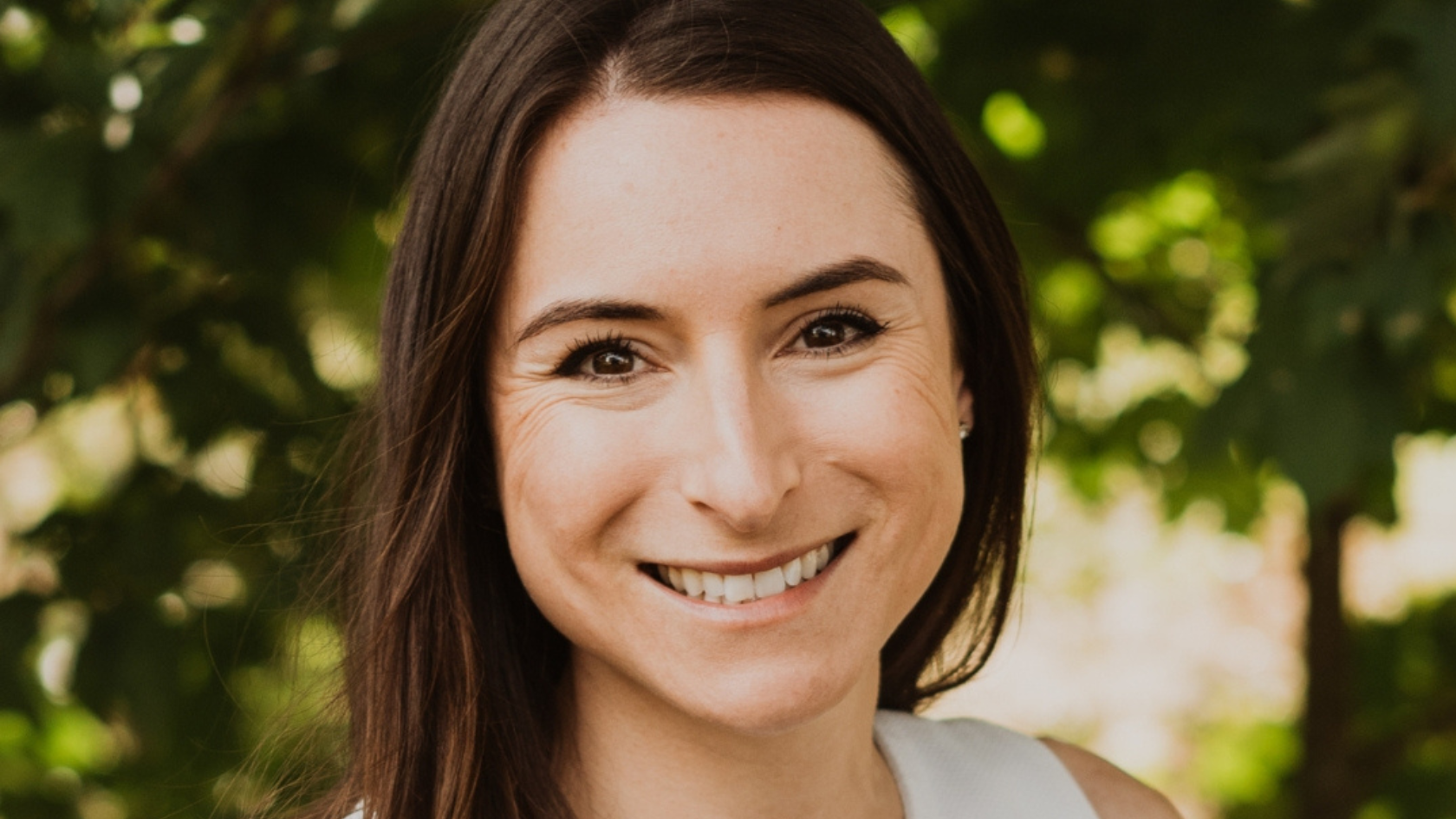
Amanda Kelly, Co-Founder, AWAKE
Words of wisdom: When you create a social impact, you're willing to sacrifice yourself in the blink of an eye. But that's not a long-term play. It's a short term play.
Country: Canada
Website: https://www.awakeashes.com
Industry: Cleantech
Organization size: 3
SUBSCRIBE so you do not miss an episode of Wave-Making Women sharing their wisdom and inspiration to generate a social impact.
Interview with Amanda Kelly, Co-founder, AWAKE, Canada
Listen here or on your favourite platform.




In this episode, we explore:
From Ashes to Earth: Turning Cremation Into Living Soil | Amanda Kelly
What if cremation ashes don’t actually help plants grow?
In fact, they can kill them.
In this episode of YouMeWe Amplified, host Suzanne F. Stevens sits down with Amanda Kelly, co-founder of Awake, to explore one of the most surprising innovations in sustainable deathcare: transforming cremation ashes into life-giving soil.
The idea didn’t start as a business.
It started with grief.
After unexpectedly becoming the caretaker of multiple urns belonging to loved ones, Amanda began asking questions about cremation, soil, and what really happens when ashes are returned to the earth.
What she discovered changed everything.
Today, Awake’s patented Ashes to Earth process helps families create living memorials—turning cremated remains into balanced soil capable of nurturing trees, gardens, and ecosystems.
But this conversation goes far beyond science.
It’s about grief, legacy, entrepreneurship, and the courage to build a mission-driven social enterprise in one of the most emotionally sensitive industries.
Because sometimes the most powerful contribution we make…
is the life we give back to the earth.
🌱 In this episode you’ll discover:
• Why cremation ashes can damage soil and plants
• The science behind Awake’s Ashes to Earth process
• How grief sparked a groundbreaking green innovation
• The rise of sustainable funerals and eco memorials
• What it takes to build a mission-driven company in deathcare
• How families are creating living legacies
Subscribe above to be invited to the next conversation.
Learn more or buy the book Make Your Contribution Count for you • me • we
Interview with Amanda Kelly, Co-founder, AWAKE; Canada
Amanda Kelly — Co-Founder, AWAKE Amanda Kelly is the co-founder of AWAKE, born from lived experience and an unshakable belief: the way we honour our loved ones should leave the world better, not burden it. After experiencing five profound losses in two years, Amanda began asking a different kind of question—not just how we grieve, but what we leave behind. That inquiry led her to collaborate with world-leading scientists to develop Canada’s only patented soil technology designed specifically for cremated remains. Before founding AWAKE, Amanda led municipal innovation programs across Ontario, working at the intersection of systems change, sustainability, and community impact. Today, she brings that same future-focused lens to an industry rarely challenged to reveal its environmental footprint. You’re most likely to find Amanda walking cemeteries, reimagining legacy, or out hiking with her dogs—grounded in nature, and deeply committed to transforming how we return to it.United Nation’s Sustainable Development Goal(s) addressed:
#11. Sustainable Cities and Communities, #15. Life on Land
Social impact:
The Social Impact — Turning Ashes to Earth
Every day, more than 7,000 families across North America receive urns containing the cremated remains of someone they love. Nearly 60% want those ashes returned to nature—yet most don’t realize the unintended harm traditional cremated remains can cause.
Research shows cremated remains are toxic to plants and soil, with:
-a pH level comparable to bleach
-sodium levels equal to two cups of table salt
-calcium concentrations 22 times higher than healthy soil
AWAKE exists to change that.
By working in partnership with cemeteries and funeral homes, AWAKE creates Ashes to Earth™ memorial gardens and planting kits that restore balance rather than disrupt it. Using patented soil chemistry developed alongside global scientists, AWAKE neutralizes cremated remains and converts them into plant-friendly, life-supporting earth.
The science targets 22 critical factors, including pH, sodium, macro- and micro-nutrients, and the soil microbiome—ensuring that what is returned to the land can actually nourish it.
The impact is both personal and planetary:
-16× more land conserved
-95% less water used
-environmentally positive memorials for families choosing cremation
By transforming Ashes to Earth, AWAKE offers families a way to grieve with intention—while helping cemeteries and communities move toward a more sustainable future.
Website: https://www.awakeashes.com
Amanda Kelly, Co-Founder, AWAKE
Note: This conversation is transcribed using AI software, which means the transcription is not perfect. Watch the video or listen to the podcast to hear our guest’s wisdom in her own words. If you want to see more interviews like this, please comment below!
To learn about Difference-Makers International, read Suzanne’s book Make Your Contribution Count for You, Me, and We.
DOWNLOAD a funding toolkit for women nonprofit leaders and entrepreneurs https://youmeweamplified.com/signup
YouMeWe Amplified Podcast
Amanda Kelly – Awake Interview – Oct 23, 2026
[00:00:02] Suzanne F Stevens: Welcome to YouMeWe Amplified podcast where we spotlight women, wave makers, embodying social initiatives into their work, transforming how we live and work. Hello, I’m Suzanne s Stevens Wavemaker at YouMeWe Social Impact Group, speaker, author, community builder, and multi-award winning social entrepreneur.
And you guessed it, you’re a host for YouMeWe Amplified podcast. I’m excited today ’cause we’ve got a guest that I gotta tell you, when I first met her, I was like. I couldn’t equate what she did with who she was. So you’re in for a treat. Today we are speaking with Amanda Kelly, co-founder of awake, where she leads research and development on ashes to earth, a first of its kind cremation memorial that nourishes the earth rather than harms it. She worked with scientists worldwide to develop a patented soil process that neutralizes cremated remains turning ashes into life-giving Earth. In 2022, awake became the only Canadian cremation product using patented soil science to create truly green memorials.
Today she redefines how we remember, restore and Reconnect with Nature One Memorial Garden at a time.
Welcome Amanda. It is fabulous to have you to the show
[00:01:35] Amanda: Thanks so much, Suzanne. Thanks for the intro.
[00:01:39] Suzanne F Stevens: I love when I find somebody doing something that I would never have expected.
So I’m so glad to have you to show and learn from you today.
[00:01:48] Amanda: So happy to be here and sharing.
[00:01:51] Suzanne F Stevens: The catalyst for this product was that you experienced profound loss, and for that, I’m very sorry. What was it that moved you from grief to innovation?
[00:02:03] Amanda: As little bit of context in my background, I used to be a librarian, so doing research and not just quick internet research, but real deep,deep intensive, peer reviewed research on things is just something that has been ingrained in me for a long time. And when I was in the throes of grief, I very suddenly became the caretaker of multiple sets of cremated remains.
Now my mom has been a wills and estates lawyer for over 40 years, and growing up it was also always instilled in me that we should have a plan for these decisions for our end of life. And when I became the caretaker of three different sets of cremated remains,one of the things that I knew when you’re in grief, your world totally turns upside down and things that you had as building blocks and took as kind of foundational pieces of your life are suddenly gone.
So there were just kind of three remaining things that I felt like I really knew and I really could lean on and lean into. One of them was that I wanted us to be together. Loved ones whose ashes that I had to be able to be with me and me to be with them forever when my time came.
The other thing I knew was that I wanted us to be outside. I wanted us to be in nature. To me, that’s where I feel calm, I feel connected, I feel in tune with the universe. And then the third thing that I knew is I wanted us to have a positive footprint to leave a positive impact on, on the earth. And so those were my catalysts, and they seemed really, really basic.
They seemed just really, obvious to me. But when I started to do the research on what options would be available to me, with all of those things in place, I realized not only A, that there weren’t options in place, but b, that the existing science in Canada didn’t even support it. And,if we want, happy to dive into that a little bit more.
[00:04:31] Suzanne F Stevens: Why don’t we dive into that now? Because I think that’s really important to give context to what you actually created. Most people wouldn’t think cremation is an environmental issue. It never even occurred to me that that would be an environmental issue until I started reading all about you and this long journey you went on to realize the impact not only on the environment, but what you could do about it. So yeah, explain that to us.
[00:05:02] Amanda: So most families don’t realize that cremated remains themselves while they’re totally safe to touch. And we see it in movies all the time. many families choose to do scatterings and many families want to have their loved ones in a garden or out a favorite tree. But what many families don’t realize is that the chemistry of cremated remains simply isn’t compatible with our natural environment.
And by that I mean with our soil, with the root systems of our plants and with our ecosystems that are in the natural world. And being the nerd that I am, I went into all the peer reviewed research on that, which by the way, there isn’t a ton. There’s not as much as I would like there to be. But there are, you know, maybe a dozen studies that have been done in different countries around the world and the consensus from that research is that over 55% of plants that are exposed to our cremated remains die. But even the biomass under the surface of the soil, the root systems and the parts of the plant that actually are responsible for pulling nutrients and water and creating energy in life, even under the surface level, completely die.
And there’s a few reasons for that, and it comes down to chemistry. So our cremated remains have the equivalent pH level to bleach. They have extremely high pH and in our bodies, we have the equivalent per person of two full cups of table salt per person. So even just those two factors are, you can immediately imagine if you were to go in the backyard and spread two cups of salt and a jug of bleach onto a plant even just that is not gonna go very well. But on top of that, there’s factors,like sanitization. We need healthy bacteria for our soil and plants to be healthy. There’s none because they’re totally sanitized. We also need particular nutrient levels in the macronutrients. In the micronutrients.
Now, what I do for a living is we create soil blends that are regional based on where you are in Canada that turn cremated remains into organic earth. They balance 22 different biochemical factors of those cremated remains so that they actually are converted into bioavailable nutrients that can grow plant life or rest peacefully in nature
Thus awake.
[00:07:41] Suzanne F Stevens: What made you start questioning the green narrative in the first place?
[00:07:46] Amanda: it was a very important decision and whenever I am faced with a very important decision in life, I like to do research I try to make sustainable decisions in my lifestyle, generally speaking. So, I research different food sources,all kinds of things. And it just seemed like it was that caliber of life decision that really warranted some exploration and some thought.
So while many of these facts around the impact of cremated remains on plant life are known,they’re not common knowledge. So even now,running awake and we work directly with funeral homes and with cemeteries, but even being a B2B social enterprise as we are we still get emails from Canadians directly to us all the time.
And one of the themes in those emails is people saying I do my research and this is where it led me. And I always identify with those people.
[00:08:52] Suzanne F Stevens: Yeah. And, that’s great to hear, right? Because especially in a world where there’s a lot of propaganda, it’s nice to hear people actually love science and there’s someone doing the work. You made a comment that I didn’t even realize, but I love this because now it makes sense to me is it depends where you live to what, the composition of your product actually is.
[00:09:22] Amanda: Yeah. People ask us all the time, like, what is your secret? Essentially, the simplest way that I can say it is we don’t use the same formula. We don’t use the same recipe province to province or planting zone to planting zone. We source our ingredients regionally. it minimizes our emissions.
But it also ensures that the bacterial content that we’re working with is going to be compatible with the native microbiome wherever it is that you’re based.
[00:09:54] Suzanne F Stevens: You’ve also worked with a lot of scientists around the world to turn ashes to into Earth. So what was the moment you knew this idea could not only become a reality, but also could become a business?
[00:10:08] Amanda: Yeah. It’s funny because it. Cret in on me a little bit at a time,until it became this tsunami that there was just no going back from. It’s one of those things that when you see it, you can’t unsee it. And, so I, yeah, I was thinking through all of these concepts. I was looking at all the different options available and like many people, like many entrepreneurs can identify with, was just bent on creating a solution for me and my family.
and in the course of that, realized there are many, many families who are in similar situations to the extent that actually on average in Canada, almost 80% of us choose cremation and of those 60% report wanting their ashes in nature. So it was just such a shockingly high number that,actually started toI started to like spiral a little bit ’cause I just thought I don’t understand how has no one done something about this?
[00:11:11] Suzanne F Stevens: They were waiting for you
[00:11:13] Amanda: The pieces didn’t.
[00:11:15] Suzanne F Stevens: Yeah. Well, you know, it’s a perfect storm, right? all the, nature of research, your knowledge previously to start down here and your unfortunate situation that brought these things together. I was doing a talk last night and we were talking about being awake to around what’s happening to you Know when you’re looking for your purpose, living it, it will show up in that process.
It’s not a moment in time, it’s a life, and you are paying attention, which is absolutely fabulous.
I am definitely getting cremated. That being said, I live on Georgian Bay I can see myself wanting to be perhaps put in Georgian Bay. What am I doing to our waters if I do that? And is there anything or any plan that you have
can help with people that throw ashes into water?
[00:12:11] Amanda: So many of us connect with water and there’s a lot of scientific reasons why we connect with water, and it’s the same thing with soil. Like there’s many, many studies about grief therapy and actually having your hands in soil lowers blood pressure, stabilizes hormones, and,just looking at water decreases our heart rate and lowers our blood pressure just looking at it.
So why wouldn’t many of us want to be in these places? That being said, currently nobody in the world has. pursued extensive R&D not published anyway,or I would’ve read it, on the impacts of cremated remains in water and how to mitigate that specifically. It is something that we would like to pursue in future.
There’s tons of variables and,any of my fellow science friends listening can, I’m sure imagine some of those: you’ve got still water, you got running water, you got fresh water, you got salt water,you got different climates, different temperatures, right? So there’s tons of different variables to look at.
It’s definitely something we want to pursue eventually. Currently, our recommendation to families who are looking for that and looking to ensure there is absolutely no negative environmental impact. Our recommendation in that case is if you do use our soil product, it takes two to three years to completely compost the cremated remains to the point that when a lab analysis is done, there’s no cremated remains left in that soil. So families can definitely do that, have the,planting kit on their shelf or at home for two to three years, wait for the full composting process to take place, and then very, very safely scatter in the water.
But what I will say, Suzanne, is one of my favorite things about working in this space, and same with my business partner, is that diversity inclusion is at the heart of everything. And one of the realizations that we had coming into this sector was that many organizations and many folks who were,developing or building out the green space in this broader sectorwere very,specific and very limited in what their definitions of green choices were and are, and we are never that. So I actually spent a year studying different cultures and I did a formalized like post-secondary certificate in this studying different cultures in their beliefs and practices and rituals around death.
just to know and have more awareness, like you said, be more aware of the context in which we are living because our goal has always been to help Canadians feel in the worst situations of their life, like there is a little bit of hope and there can be a little bit of a silver lining regardless of what our preferences or beliefs or family backgrounds and traditions are going into it.
We have created, a combination of memorial planting kits for folks who are looking to do something at home or,at the cottage or in a provincial park or in other crown land in nature. And we also work with cemeteries and we have whole memorial gardens and places that are formalized memorial spacesthat are run and maintained forever by organizations. So the goal has always been to help everyone to make a greener choice regardless of who you are and where you’re coming from.
[00:15:52] Suzanne F Stevens: I just love everything you’re saying. It’s just so inspiring. what you have created In admiration. What I’m hearing in regards to me moving to the next life, whatever that
[00:16:08] Amanda: Mm-hmm.
[00:16:09] Suzanne F Stevens: I gotta wait a few years before I do because someone, and I’m hoping it’s you, will develop something where I can be spread in the water or someone will have to look at me on the shelf for three years either way I think those are really good options. So every day there’s thousands of families facing decisions about how to honor loved ones, as you would know. But how does awake change that experience for families who want an earth friendly memorial?
[00:16:41] Amanda: Oh, that’s such a good question. All of our family dynamics are unique and all of our traditions are unique and all of our personal preferences and fears and hopes are all unique. But on a big picture level, large scale level, there’s a few different ways.
One of them that’s been really meaningful to me is hearing from families who have had a loved one’s ashes at home for a very long time because they just didn’t like any of the options available to them. And it’s just been this thing in the back of their minds, like, I gotta find something for mom.
And it’s just been this thing that’s followed them around for years and,nothing’s felt right. And when those families find us and reach out and say, you know, it’s been five years, but as soon as I realized planting a tree in the backyard was an option, or spreading at the cottage was an option, or giving my grandkids,a little bit of the soil mix to have their own little tree in their bedroom was an option.
Whatever it was, it just clicked. And now I feel like I can finally lay them to rest and I can finally give them a peaceful memorial that feels right for our family. Those are one of the themes and storylines that really, really resonate with me. ’cause, like I said. I had three sets of cremated remains at home, and doing research as I do it turns out that one in five households across Canada have a loved one’s ashes at home. And that doesn’t even include our pets. It could be up to, up to 25% of us have ashes at home. And, for me, like you shared your story, for me it was, it’s always been important that we are able to be together one day.
So I have three sets of cremated remains planted with various plants in my house with the intention and the knowledge that we will be with the trees one day together. And that’s what brings me peace. And it’s what helps me to feel also just less fearful of my own end of life one day. So yeah, those are some of the.
Things that help me.
[00:19:05] Suzanne F Stevens: Does it give life to the planet as well?
[00:19:08] Amanda: So it depends what you’re doing. Like if you’re outside in nature, then yes, you’re absolutely giving life back to the planet, essentially, depending on your climate zone that you’re in. But our soil within three years in warmer climates and five years in cooler climates, will have fully composted those cremated remains into nutrients that are bioavailable to the plants there.
So they are actually supporting the plant life, whether those are native species or they’re in a manicured garden, in a cemetery or in your backyard. but they are actually feeding the earth.
[00:19:46] Suzanne F Stevens: So awake soil technology, from my understanding, tackles 22 chemicals and biological factors. So how do you explain that science,in a way that connects emotionally, not just technically When you’re communicating, I guess you’re not usually communicating with the family. I know some people are directing their inquiries to you directly, but how is that communicated so that it connects with them emotionally?
[00:20:16] Amanda: From a business owner perspective, it’s such a good question because you know how we’re always really, really driven to understand your value proposition, understand your key messaging. It’s so important. And the more and more complex what you do becomes the more challenging that is. And then also the more diversified your product or services are also the more complex that becomes. So,what we focus on when it comes to options we’re,a gateway and opening to create any kind of green memorial that families are looking for at home, outside in the wilderness. And we also wanna be careful around messaging,that is more hopeful than it is like fear mongering.
And that’s just part of being a social enterprise, right? Like we are here to do good in the world and making people feel fearful or judged or,regretful has no place in that business, in my opinion. So,we talk to families all the time, like we didn’t exist until 2021. So we talk to people all the time who have planted plants in the backyard and have very,we call it secondary grief, but they have very sad stories about trying everything that they could to, to save their dog’s roses, for example.
They just weren’t able to, and it’s not their fault. It’s not their fault, it’s just science. So yeah, the messaging is challenging and it doesn’t happen overnight. Took us like three years of iterating until we finally hit on what connected with different audiences. And our sector is interesting because you’re right, even though we don’t speak directly to families,we still want to provide the funeral homes and the cemeteries we work with, with messaging we know resonates with families.
so we took a long time to tweak that. Maybe some other B2Bs can relate to this. But in our sector, what seems like one market segment isn’t actually one market segment, and our value prop will connect,and land differently for different segments of that segment. So cemeteries, for example,you know, where we drive, we all drive by cemeteries all the time, right?
You may know where the closest one is to your house. You may know where one is. That’s kind of like a, a landmark near a highway or, or wherever. But one of the things that got me really interested in, you asked earlier, when did you realize there was a business opportunity here? When my head was just suddenly very much in the end of life space, I just naturally started asking a lot of questions.
And I was at the cemetery one day and I just wondered like, how does this place operate? Everyone that I’ve seen here works here.Where’s their revenue coming from? How consistent is that? How do they make sure that these organizations in these spaces that are protected are sustainable in the long run?
And we started looking into it. And so circling back to that market segment, it turns out that cemeteries as a market segment have municipally run cemeteries, and you have privately run cemeteries and you have nonprofit cemeteries, and you have religious cemeteries. And the value propositions for each of those are different.
And it can depend on if they’re rural or urban. So anyways, there’s lots of factors, but like you said earlier, when the majority of social enterprise entrepreneurs go into whatever space they choose, it is really a lifestyle. So, you know, we didn’t approach the problem solving of that formulaically.
We just asked a ton of questions, talked to a ton of people, and had to immerse ourself in the space to learn. And then it’s not until you’ve gathered all of that anecdotal data that you can then start to review and reflect and understand the critical nuances.
[00:24:27] Suzanne F Stevens: there’s so many questions I have for you. I just want to, this is a good time to interject because you’ve said social enterprise a couple times, and I always like to clear that up, someone’s interpretation of what that actually is. So, from a clarity standpoint, you’re a for-profit social enterprise, is that correct?
[00:24:47] Amanda: That is correct. We have a for-profit corporation. We also have a nonprofit corporation that we haven’t built out yet, but we have a lot of plans for.
[00:24:55] Suzanne F Stevens: I’m a real advocate for, for-profit, entrepreneurs because there’s nothing wrong with money. And the reality is, to your point, once you can make money, you also can run a non-for-profit. so as I do with my foundation. So I just wanted to make sure for our audience that that piece was clear.You had mentioned,your partnership with cemeteries and funeral homes
[00:25:20] Amanda: Mm-hmm.
[00:25:21] Suzanne F Stevens: So what does true collaboration look like in this traditional conservative industry,and how have you been able to break into it?
[00:25:31] Amanda: Yeah, it took a lot of tries to break into a very traditional industry of which I am not the dominant demographic in. We’ve had a really great year in building out what impactful and valuable collaborations look like and that sometimes, I think initially you just have to try things and see how they develop and then you understand the nuggets of where each party are seeing the value and then you can approach it very strategically.
So going into the cemetery space, initially, we really had to feel our way around. My business partner and I, neither of us had backgrounds in this sector, so we didn’t know who the leaders were in the space. We didn’t know the politics of the space. I actually took a whole program to become licensed on the regulations of the space ’cause it’s a highly regulated space.
Moving into the cemetery world, it took time and legwork and feeling out,who the influencers were, who had similar values to us, and collaboration would be a lot more,organic and just natural. And then once we did that, we really took a bit of a risk and we had a big presence at a major industry conference.
And that was just over a year ago. And we collected tons and tons of feedback. And that was when we started getting inquiries about how do we provide this to families. And so that’s how we developed our whole line of the memorial planting kits,to go out to funeral homes. And you asked about what a healthy collaboration or partnership looks like.
When we decided to make those a reality,we don’t ever approach anything by just coming into this space and going to market with an assumption that what we’ve put together is going to work. so on the cemetery side of things, that took a ton of learning and we’re, like three years into that now, and we’re still streamlining our processes so that we can be more efficient because there’s always a learning curve in the learning curve not the most profitable time, but it is probably the most valuable time though. So when we moved into the other segment for funeral homes, we learned a lot. And what we did was we partnered with a small selection of. Folks who had expressed interest in what we were doing, and were really open-minded and collaborative themselves and had
great relationships with the families that they serve. And they agreed to pilot things with us. So we were able to get our minimum viable products on their shelves, or we were able to do training with their staff with those minimum viable products and hear their questions and put together SOPs and training videos and like anything that would be helpful for their teams.
They’ve just given us constant feedback. And so we’ve completely redeveloped our packaging, our sizing, we’ve adapted our pricing,like all kinds of things. Our marketing, the materials they need to speak to families. ’cause like you said, we need to make sure they are,they’re feeling confident and they’re feeling like the language and the messaging is simple to wrap their heads around, but impactful.
And that’s our job to ensure their teams feel confident and successful. So the, like, the secret to partnerships and collaborations that are successful really, I think is, is communication and open-mindedness. And I have always been a really big fan of that expression in our entrepreneurial space of,fall in love with the problem, not your solution.
I stay really grounded in remembering where the awake journey started with my own story, but I also know everyone else’s coming in with a different story and looking for something different. And my assumptions about how that is gonna be best served are faced with reality many times.
And that’s okay because our business’ values are what’s the most important. And it’s interesting ’cause even my business partner and I like when we get in,disagreements with each other and stuff. It’s funny ’cause there’s always this underlying thing where it’s like, okay, well fine you can be mad at me, but you’re not mad at awake. Right? As long as we’re not mad at awake, like we put the mission and we put the values before everything else, and we know when we do that, that everything else can be sorted out and we can solve any other challenge. But that unquestioning commitment to the mission is so critical.
[00:30:27] Suzanne F Stevens: And it is, training organizations over the years that I always have told them, if you can relate any discussion or conflict in communications and relate it back to your values and why you were there, and through that lens and all your communication, it becomes less about you and me and it becomes about something bigger that you’re almost taking that one step back from it.
So it’s not personal anymore. And so I love that you’re doing that and interesting enough, what is your co-founder’s name?
[00:31:02] Amanda: Lauren?
[00:31:03] Suzanne F Stevens: Lauren. Right. So Lauren and I was gonna ask you about that kind of collaboration because it is, are you equal partners?
[00:31:12] Amanda: Yes.
[00:31:12] Suzanne F Stevens: Yes. Okay. Is there other magic sauce you can tell us about how you make that work?
[00:31:21] Amanda: The first is really putting the mission first and the second is,valuing our relationship and our respective differences. So from day one, the thing with Lauren and I is, we used to work together Before awake existed, we were actually hired by the same person to have completely different functions,on a multi-talented team.
So one of the key things for us was choosing each other as business partners knowing that we are completely different.But something that we’ve always said is that we have really similar imaginations. So when we talk about our vision for the future or our strategy going into a really important event,or what our ultimate packaging or marketing strategy or whatever is going to look like, we can picture something so similar.
But the way that our brains get there is like, I’m left and she’s right. It’s completely different. And we’ve gotten so much better at communicating with each other. Instead of just trusting, okay, we’re gonna get to the same place, hopefully at the same time, we’ve gotten so much better at actually communicating the different steps of our own processes, which means we have to actually reflect and understand our own processes in the first place.
And that has been really, really critical for us. And then like any relationship, the more time you spend with each other, some of those things like you just, then you just know them about your partner. And so now we laugh because,Lauren will ask me if we can have like a 20 minute phone call to debrief on something, which it used to be like, oh, Amanda, do we need a phone call on this?
Like, what a waste of time. We already know to send me an email. So anyway, our communication styles have adapted to each other and we’ve always totally respected each other’s strengths and abilities, even if we don’t always understand them.
[00:33:26] Suzanne F Stevens: Values attract.But also different communication styles. We’re often not attracted in business and in life to the person that does the thing exactly the same as we do. We’re attracted often to our weakness. So when you were saying right or left, I was thinking when my husband and I park our car and go grocery shopping, which I rarely do, by the way, he usually does, but when we do do it together, he always goes one way to the front entrance and I always go the other. I do not know what it is, but we have our own path and it’s sort of the same thing, our own process of how we’re going to get there,
And that makes a great marriage and business partnership.
[00:34:09] Amanda: Because after time and time again of that happening, you have the trust I trust she’s gonna get there. I trust I’m gonna get there. We check in and it creates a really, really strong relationship. And it’s funny, the marriage analogy because,when we started our business, we had a launch party at her house with family and friends, and we actually did vows to each other.
I love it. That is fabulous. It’s because it’s a shareholder agreement, so it’s very legal.
[00:34:46] Suzanne F Stevens: I think that is just absolutely brilliant.So looking ahead, what’s your vision for how death care can evolve to be more conscious, sustainable, and life affirming?
[00:34:59] Amanda: The biggest trend that we’ll be filtering down to all of our lives is this ability for personalization. So in past generations, there was basically a, a formula or a map on how you handled a loved one’s death and how it, it had to be dealt with. And it was just kind of like, okay, we’re going through the motions, right?
And it’s very detached in that way. And I guess this is what, I guess we have to do an obituary now. I, I guess we have to have the service now.Whereas now more and more and more, and it’s now reaching a critical mass, people are realizing that you can keep those pieces of those traditions and maps, if you will, where they bring you comfort and where they bring you, just kind of certainty and a very uncertain situation.
But the parts of that map that you don’t identify with, you don’t have to do them. I mean, you are always gonna have to close your loved one’s bank account or deal with their health card and all of these things. The administrative stuff is just the reality. But when it comes to memorials and when it comes to legacy building,we have the ability to create things that really mirror our relationships and the genuine people or the soul of the person that we’ve lost now.
And those options are becoming more and more widely available. And I think in previous generations, I think some people wanted things like that, but maybe didn’t feel brave enough at an uncertain time to raise their voice and say, this is the time I’m going to buck tradition. Right? This is the moment.
Whereas now we all, I think, have the ability to live a lot more authentically and generally, I wanna say in Canada, our friends and family are really more accepting of that than they have been historically. And so we’re able to celebrate those differences now and it’s really beautiful. So I think looking ahead, that’s something that I see is being able to turn these losses into opportunities for soulful reflection and self-discovery of what we personally find meaning in, in life.
[00:37:39] Suzanne F Stevens: So how do you balance the emotional nature of your work with the science, and business realities of scaling a social innovation?
[00:37:47] Amanda: Yeah. Mental gymnastics. Just practice. Just a lot of practice of putting on those different entrepreneur hats and,you don’t feel necessarily that agile at first, like the first two years of business for sure. I was emotionally wiped out. Depleted, just depleted. But you get better at balancing it and your stamina grows and you get better at prioritizing.
Anytime that people pick something they’re really passionate about and gives them a lot of meaning, there’s a real chance of burnout. And you just have to realize again, like we were talking about earlier, the mission is more important than your comfort level sometimes. So,we, my business partner and I, we really encourage self care and we are on top of each other about it.
So like, we did a massive conference a couple of weeks ago and coming out of the conference we’re both saying to each other, like, take your vitamins, be in bed by 10. Like all of these specific things pointing at each other, we cannot afford for you to burn out right now.because yeah, you burning out is not helping the mission, so you have to prioritize it.
[00:39:03] Suzanne F Stevens: I do have a friend of mine who’s a funeral director and she’s always upbeat I couldn’t do it. I couldn’t always talk about loss and legacy.
I couldn’t do it. That’s just not my makeup. it would drain me. And to your point, one thing I really love that you said, anytime you’re doing a social mission, it can burn you out even when it’s giving you the most meaning possible. and it’s a positive, experience, it still can burn you out and deplete your soul because you want to succeed at it. It’s beyond you that you wanna succeed at it so badly. And not for yourself, but for whoever that beneficiary actually is.
[00:39:45] Amanda: And you’re willing to sacrifice yourself in the blink of an eye.
[00:39:50] Suzanne F Stevens: Yep.
[00:39:50] Amanda: And, but that’s not a long term play.
[00:39:53] Suzanne F Stevens: No.
[00:39:54] Amanda: a short term play.
[00:39:56] Suzanne F Stevens: Which is why my business is called you, me, we, without the me, you
[00:40:00] Amanda: I.
[00:40:01] Suzanne F Stevens: impact the you and you need to the we to sustain it,for that very reason. So that’s a great way to head on over to rapid fire questions. Thanks for the segue, Amanda. All right. Are you ready? Stretch.
[00:40:18] Amanda: Here we go.
[00:40:19] Suzanne F Stevens: So what’s one thing you wish you knew before becoming an entrepreneur in such a sensitive field?
[00:40:27] Amanda: I think what we just talked about the desire to burn out is there and it’s real. And you have to consciously counter it.
[00:40:36] Suzanne F Stevens: fabulous. What’s the best piece of advice you’ve ever received about leading with purpose?
[00:40:45] Amanda: I think it’s just to keep your purpose. It’s easy to get distracted,because especially entrepreneurial personalities, squirrel moments happen all of the time. New opportunities pop up all of the time. And it’s easy to elaborate on that purpose or elaborate on the plan that you’ve put in place, but you really have to focus on that purpose.
And that is where you’re gonna see real impact. Otherwise, you spread yourself too thin. And we did do that. We did that for a couple of years. and you can’t make waves. You used the word waves earlier. You can’t make major change and impact if you’re spread too thin. You have to do a deep dive and then build out.
[00:41:24] Suzanne F Stevens: Now, what’s the worst piece of advice you’ve ever been given about entrepreneurship? About this business? Either or.
[00:41:33] Amanda: I had a very important CFO tell me that I was 10 years too early. Like, what you’re doing is great. It’s not gonna work right now. And I let that sit with me for about 12 hours and it was heartbreaking. ’cause he’s like, I advise you to go back to your day job and wait five years.
And then start up again. And in 10 years, the time will be right. So yeah, I let that sit with me for about 12 hours and I just thought, no, you’re wrong.just because this particular avenue, maybe the opportunity isn’t there for this particular avenue in, but that opportunity and that purpose is still there.
Canadians need this. And if the way that we tap into them is from,a different side, we take a different crack at the egg from a different side, then I will find it, I will find the opening.
[00:42:37] Suzanne F Stevens: Okay. Awesome. I love that. A value you’ll never compromise.
[00:42:43] Amanda: There’s quite a few, but trust is really, really important. And the older I get, the more I value that. So when we have our business relationships and partnerships, whether it’s like with a co-founder or with this really small group of folks that you’ve built out your success with, with your initial pilots and those relationships.
you’re gonna get opportunities to create bigger business like in their geography or with their competitors or whatever the case may be. but they’re your tried and true who have helped you grow and will continue to champion you and continue to build things with you. And, that trust is irreplaceable.
So I never burn a bridge for people who we’ve developed trust with and for.
[00:43:34] Suzanne F Stevens: What has working with grieving families taught you about leadership?
[00:43:40] Amanda: It puts things in perspective. And same with your own grief and bereavement. When you lose everything that was once important to you, or you’re speaking to people who’ve lost everything that was once important to them, real things that are important, not items, but the people or the pets, the loved ones.
You remember what matters and what doesn’t matter. And that was really critical for me early on, like, what is an artificial problem or a manmade problem I would call them in my head, versus what’s a real true problem? And that has kept us really grounded.
[00:44:19] Suzanne F Stevens: What book or documentary you think every impact driven entrepreneur should experience?
[00:44:28] Amanda: that is a tough question, but I will be honest with you right now, I’m really excited for the Taylor Swift docuseries because
[00:44:39] Suzanne F Stevens: real.
[00:44:40] Amanda: She has built a community of change makers and advocates and I really admire that. And I think there’s so much to learn from that leadership and that refusal to say no, and be authentic at the same time.
[00:44:57] Suzanne F Stevens: The personas of artist versus entrepreneur are often conflated, but I think from the entrepreneurial lens, it’s a really valuable case study.
I think it is as well. I don’t know. not being a swifty, but I do love her music and I do love her artistry and I do love her writing. that being said, her entrepreneurship is beyond, when you say a collection of change makers, I’ll park that. I’m not sure about that piece or I don’t understand that piece. But everything else about her,I’m in awe and I will be watching it too, just to be clear. ’cause I do think I could learn a lot from her. if you had to sum up your philosophy in three words, what would it be?
[00:45:44] Amanda: We have a little slogan that we use internally. you only die once. Make it count. So I guess my three words would be, make it count.
[00:45:54] Suzanne F Stevens: Ironically, mines make your contribution count,
[00:45:59] Amanda: Instant friends,
[00:46:02] Suzanne F Stevens: We’re close. who is, who’s been your greatest influence and why?
[00:46:08] Amanda: My mother very much. My mom became a lawyer in the 1980s when it wasn’t common for women to go to law school. She had a couple other women in law school with her, but a couple dropped out to get married at the time. She made a ton of sacrifices to do that and to become partner in a law firm in a really obviously male dominated space.
She was the fifth female lawyer in Hamilton at the time. And,she made it her mission to lead all the associations and lead the community, charities, and clubs. And she has specific memories of going into buildings and being told, Miss, you have to use the back door. Women aren’t allowed in the front door.
And she walked in and said, one day I will run this place. And she did become the president of their board of directors. Anyway, she’s always inspired me with stories of like getting suspended for school ’cause she wore pants instead of a skirt in gym class. Or having a judge tell her to leave court because she was wearing pants instead of a skirt,under her robes.
And yeah, she’s always just been a badass.
[00:47:21] Suzanne F Stevens: What’s one thing you’ve done that scared you? But if you did not do it, you would not have experienced the success that you are experiencing now?
[00:47:32] Amanda: Yeah. So when I was in that mindset of realizing the opportunity,before awake existed and starting to put the pieces together, and I was questioning like, how has no one else put these pieces together? I just see it so clearly now, I had a real self-doubt at that moment because I knew like if I go in on something, I’m an all-in kind of person, and I really questioned like, do I wanna become the death girl and like you said, like people meet me and they would never think that.
I never thought that of myself and it was a huge perception of an identity shift. And I wasn’t sure if I was prepared for that and what that would mean. so yeah, I had to sit with it for At least a couple weeks before I even talked to anybody about it, before I talked to any friends or any family or anyone about it.
’cause I wasn’t sure about the judgment that would come.yeah, but I made the choice and just accepted it.
[00:48:38] Suzanne F Stevens: Let’s be clear. I’ve never thought of you as the death girl, and I didn’t even go there. but that is an interesting thing to overcome and that makes so much sense. If you could put one phrase on a billboard for everyone considering cremation, what would it say?
[00:49:00] Amanda: It would say we use expressions like greener goodbyes. But I do like our phrase, you only die once. Make it count.Yeah, we’re always looking to leave a positive impact, make a living legacy.
[00:49:17] Suzanne F Stevens: Yeah. So what advice would you give to entrepreneurs who want to build a social impact into their business model?
[00:49:26] Amanda: There’s so many opportunities to do it. I think it’s interesting because when you go to sessions on like sustainable business or being a green business, there’s a lot of low hanging fruit that places will focus on. Don’t even get me started on the switch to digital instead of print materials.
But there’s also a lot of opportunity for big impact, and I think if you are creative about it, and like you said, have your eyes open to what all of the opportunities are, it can completely shift the resonance that you have in your space and the opportunities that open up to you.
So I would just say to understand it, do your research. But then when you have the confidence in it and you get your initial validation, just go all in.
[00:50:20] Suzanne F Stevens: Yeah. That’s great. Great advice. You brought it up the paper versus digital and the irony is digital has an environmental impact too, and that’s the part people aren’t aware of, I’ve recently full transparency, realized how big it actually was. So all these things, but that’s another conversation for another time.
So Amanda, thank you for sharing your story and your passion. Truly, you’re a true, truly admire what you are doing. I can’t even say the name that you were worried about because I can understand being attached to something so profound, but I attach you to risk taker, passionate innovator, and. Sustainable thought leader, and that’s who you truly are. So for those who’d like to learn more about your work for Awakes Memorial Innovations, where can they find you?
[00:51:23] Amanda: Well, a me on LinkedIn, Amanda, Kelly, awake, and you can find us also on social media, our actual business. We’re on Instagram and we are on Facebook, but we are mostly LinkedIn and Instagram,awake Ashes and or Awake Canada. We we’re putting some videos up on YouTube lately, so if you’re interested in video content, check that out.
but otherwise, yeah, follow us online and then our website is awake ashes.com.
[00:51:58] Suzanne F Stevens: we’ll also have that on your page on YouMeWe podcast. So to our listeners, for our conversations with women Wave Makers transforming how we live and work with sustainable solutions, visit podcasts dot YouMeWe dot ca. Don’t forget to like, share and subscribe so you can hear these incredible women’s journey, more importantly, what can you take from their journey to apply to your life and business?
Until next time, I’m Suzanne f Stevens. Encouraging you to make your contribution count for you. me. we.
Watch/listen/read each conversation to gain more insight into leading a sustainable social solution. Please comment on the site; we want to hear your wisdom. Share YouMeWe Amplified with other future wave-makers; they will appreciate it!
SUBSCRIBE so you do not miss an episode of Wave-Making Women sharing their wisdom and inspiration to generate a social impact.
