
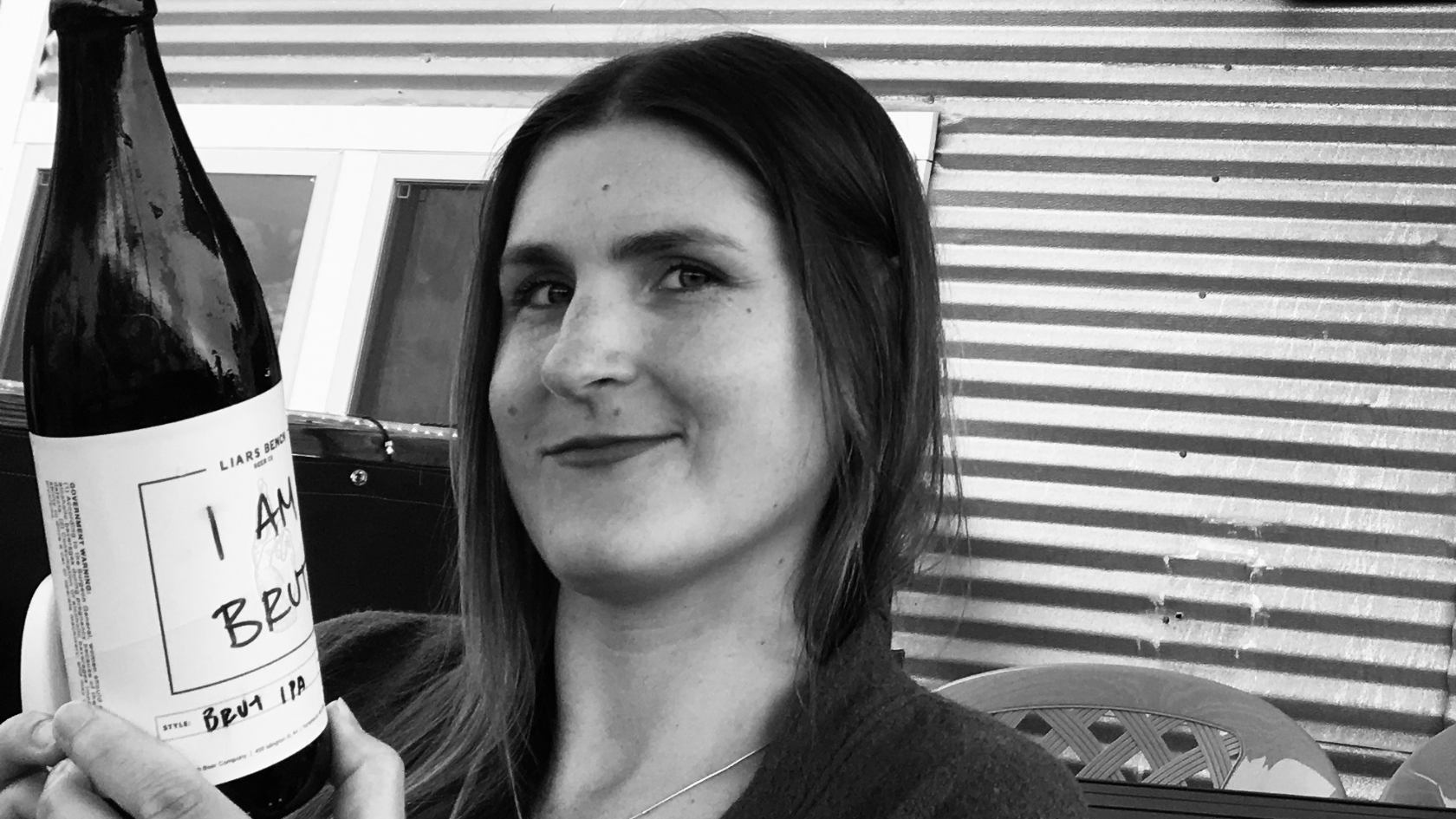
Dana Kaluzny, Co-Founder, Endswell Beer
Words of wisdom: Design (your social impact) into your business plan, design it into your budget.
Country: Canada
Website: https://www.endswell.ca/
Industry: Beverage and Hospitality
Organization size: 8
SUBSCRIBE so you do not miss an episode of Wave-Making Women sharing their wisdom and inspiration to generate a social impact.
Interview with Dana Kaluzny, Co-founder, Endswell Beer, Canada
Listen here or on your favorite platform.




In this episode, we explore:
Beer, Business & Built-In Impact: How Endswell’s Soda Bros Is Changing Community Giving
What if social impact wasn’t added on… but built in?
In this episode of YouMeWe Amplified, Suzanne F. Stevens sits down with Dana Kaluzny, co-owner of Endswell Beer in Collingwood, to explore how purpose can live inside the business model — not just the marketing.
From launching Soda Bros, a youth-led social enterprise created with her sons (where 50% of profits support local community organizations), to designing a brewery culture rooted in belonging and sustainability, Dana shares what it looks like to lead with intention.
In this conversation, we cover:
- Baking social impact into your business plan
• Raising entrepreneurial kids who understand profit and generosity
• Setting boundaries when impact meets capacity
• Working with your partner — navigating strengths, tension, and communication
• Building a flat team culture through ownership and humility
This is a conversation about beer, yes —
but more importantly, about leadership, community, and designing business to “end well.”
If you’re building something in your town and wondering how it can matter more, this episode is for you.
Subscribe for more conversations on conscious leadership and community impact.
Let’s make waves.
Subscribe above to be invited to the next conversation.
Learn more or buy the book Make Your Contribution Count for you • me • we
Interview with Dana Kaluzny, Co-founder, Endswell Beer; Canada
After eight years in the craft beer industry, Dana Kaluzny (she/her) made a defining choice: to step away from a space where she no longer saw herself reflected—and commit to building the one she knew was possible. That vision took time, resilience, and more than a decade of perseverance. Today, Dana is the Co-Owner of Endswell, one of the few breweries in Ontario that is majority-owned by a Queer woman—and intentionally designed as a place where people feel welcome, seen, and connected. A public speaker, performer, community organizer, and proud mom to two devoted Dodgers fans (Go Jays!), Dana brings creativity, courage, and joy into everything she builds. Her leadership blends business savvy with heart, proving that inclusion, artistry, and community aren’t “nice-to-haves,” but essential ingredients for sustainable success. Under Dana’s co-leadership, Endswell has quickly become known not just for great beer, but for its deep community roots and values-driven approach to entrepreneurship. In 2025, the brewery was named Runner-Up for Best New Brewery at the Canadian Brewer’s Choice Awards—a recognition that reflects both product excellence and purpose-led leadership. Dana’s work continues to challenge what leadership can look like in craft beer—and beyond—by showing what’s possible when people build the spaces they once searched for themselves.United Nation’s Sustainable Development Goal(s) addressed:
#3. Good Health and Well-being, #5. Gender Equality, #8. Decent Work and Economic Growth, #10. Reduced Inequalities, #12. Responsible Consumption and Production, #17. Partnerships for the Goals
Social impact:
From day one, the co-founders of Endswell made a deliberate decision: social impact wouldn’t be a side initiative—it would be built into the business model.
That commitment took shape through Soda Bros, a youth-led social enterprise founded by their sons at just 10 and 8 years old. Sold exclusively in the taproom, Soda Bros offers non-alcoholic craft sodas designed to include guests who don’t drink alcohol—while proving that purpose and profitability can coexist.
The model is simple and powerful:
50% of profits are donated to a different community-based organization each season (four organizations per year)
Since opening in October 2024, Soda Bros has already contributed over $3,000
The remaining proceeds are intentionally split between the boys’ education funds and their personal bank accounts, reinforcing real-world lessons in entrepreneurship, financial literacy, and giving back
The result? Soda Bros has become one of Endswell’s top five selling items—a clear signal that customers want to support businesses where their purchase genuinely makes a difference.
In this short video, Calvin shares the heart behind Soda Bros and introduces its first beneficiary, South Georgian Bay Rainbow Club:
👉 https://www.instagram.com/reel/DDAOPvRPO3p/
Endswell’s community commitment extends beyond products. The brewery regularly offers its space at no cost for community initiatives. In its first year alone, Endswell hosted two major fundraising events, where items were offered on a pay-what-you-can basis, with 100% of proceeds donated to Team Give'r and My Friend's House.
Together, these two events generated over $15,000 in donations—demonstrating what’s possible when businesses act as community catalysts, not just commercial spaces.
Endswell stands as a living example of how family-run businesses, youth leadership, and conscious contribution can come together to create meaningful, measurable impact—right where people gather.
Website: https://www.endswell.ca/
Dana Kaluzny, Co-Founder, Endswell Beer
Note: This conversation is transcribed using AI software, which means the transcription is not perfect. Watch the video or listen to the podcast to hear our guest’s wisdom in her own words. If you want to see more interviews like this, please comment below!
To learn about Difference-Makers International, read Suzanne’s book Make Your Contribution Count for You, Me, and We.
DOWNLOAD a funding toolkit for women nonprofit leaders and entrepreneurs https://youmeweamplified.com/signup
Introduction to YouMeWe Amplified Podcast
[00:00:03] Suzanne F. Stevens: Welcome to you Amplified podcast, where we spotlight women, wave makers, embedding social initiatives into their businesses, and transforming where we live and work.
I’m Suzanne f Stevens Wavemaker at you Social Impact Group. I’m a speaker, author, trainer, and coach. And yes, a community builder and obviously your host for the you social impact. Podcast. So now let’s get to the good stuff. Today we are speaking with
Dana Kaluzny, co-founder and co-owner of Endswell Beer. From the very first day of opening Dana and her family, embedded a. Youth-led social enterprise, Soda Bros, into their business model where 50% of profits from non-alcoholic sodas are donated to community organizations each season.
So that’s four times a year. In their first year, they’ve already contributed thousands of dollars back into the Collingwood community for various causes. So let’s welcome Dana. Hello. Welcome to the show. So good to have you here. Yeah. Wonderful. So we’ll dive right in. Dana Endswell didn’t just open a brewery, it opened a social enterprise with your kids leading the charge in many ways.
So tell us, how did you engage your children in this process?
[00:01:37] Dana Kaluzny: Well, they’re mom and dad. So Mike and myself, this is a huge passion of ours, 10 years in the making. Our oldest son is 11, and so he’s been along the journey. Same with our other son Ellis, who is eight and a half. And so for us, it became really important that if this was gonna continue as a family independent business that had integrity to us as a family and also for our community that we had to center our kids and their experience in building and being a part of this business as well. It couldn’t just be their parents and you know, they’re just along for the ride. We started just by talking with our kids about the things that they were most excited about, about opening this business, how they wanted to be involved. And actually the idea of Soda Bros and the name came from our 11-year-old son. So Calvin is a huge proponent of Soda Bros and feels a lot of ownership because the idea itself came from him.
[00:02:46] Suzanne F. Stevens: Okay.
[00:02:48] Dana Kaluzny: Yeah. So Soda Bros. is the name that Calvin came up pretty literally about the fact that it’s him and his brother, having a non-alcoholic soda, or sodas plural at the brewery. And they loved the idea of their dad making, not just the beer, but also making sodas with them for them and them being able to talk about that with their friends.
The surprising thing about Soda Bros is that it’s not just something for youth where it’s like, you know, it’s just for them, it’s centered around them. But the ripple effect actually extends to all ages. And we have adults that come to the brewery who love Soda Bros. And specifically that’s what they drink.
They don’t drink beer. They love coming for the sodas. and that is just very exciting to us that there’s something that people. gravitate to that, that makes them feel just as excited about being at Endswell that the beer does
[00:03:52] Suzanne F. Stevens: Do your kids help make it? They, yeah. their dad makes it.
[00:03:58] Dana Kaluzny: They are responsible for the recipe development with him. So deciding the types of flavors, that they want, and then actually doing the taste testing. So the soda bro only goes on tap if it’s approved by Calvin and Ellis first. Okay. And then they do, the accounting with me. So every, at the end of each season, they sit with me and we have a whole spreadsheet we go through it, and we go through what the costs were, what the revenue was. They get to understand the tax that’s on, that. They understand what the profit is. And then I walk them through how to do, the division between the total and then 50% to the organization. And then the other 50% get split equally between their education fund and each of their personal bank accounts.
So they do that accounting with me. And then they choose the organization. So actually right now we’ve just started, October 1st starts the next season. So October, November, December is the next season for Soda Bros. And we don’t have an organization yet. That’s like a talk that we have around the dinner table.
Okay, who should benefit from Soda Bros. Or what particular, initiatives are you guys excited about right now? is that mental health, is that like sports? That’s the kind of conversations that they get to be a part of, and then they choose the organization.
[00:05:28] Suzanne F. Stevens: As I’m thinking about it, I’ve interviewed hundreds of women in 25 countries and I’m thinking you are the first, well, you’re the first brewery, which I love.
but secondly. That has engaged their children in such a profound way in the process, like such a learning experience. To your point, you’re take, they, they may not be making it, but their stamp has to go on it. Yeah. So, and then the whole accounting system of it. Yeah. You know, and I’ve often encouraged people, I don’t know if you’re familiar with, Kiva.
Kiva is a micro financing social initiative. And I often encourage people to do it with their children. Because let the children pick, they have to read through all the profiles to pick who they want to contribute to. So it becomes a family initiative and it bakes that social initiative right into the children at a very young age.
Yep. Gives them more meaning. ’cause let’s face it, it gives us more meaning, right? It does if we’re, we’re doing it. So that will give them more purpose at a very young age. And which will, how would that mental health you just referred to.
[00:06:35] Dana Kaluzny: Which is like so important too, because, you know, we can’t deny that, our family, our time is really precious outside of the brewery.
And I’m not gonna deny the fact that parts of our work, because we’re so passionate about it, do come home with us. And so what better way to make sure that there’s a really good balance that some of those conversations are with our kids and that they can participate in it. So it can create a little bit more balance and that we are making sure like, okay, if we’re having conversations about work at home, they’re not alienating or excluding our children who are such a huge part of our lives, and we’re making sure that our time with them is still quality time.
[00:07:19] Suzanne F. Stevens: So it’s truly a family business.
[00:07:21] Dana Kaluzny: A hundred percent. It is.
[00:07:22] Suzanne F. Stevens: At a young age it’s a family business, not where later in life it may be two, but at a young age.
Now you touched on, you haven’t decided on which charity you’re going to give the money to. I know you change it all the time. Yeah.
Why do you change it?
[00:07:42] Dana Kaluzny: We’ve been living here for seven years and one thing that we absolutely love about this community is how many amazing community-led initiatives projects not-for-profits social clubs exist here. that people are really passionate about in so many different areas. And so it became really important to us to spread the love as much as spreading the awareness of all these amazing initiatives. And for us to get to know them too, for our kids to get to know them. So by making it, every season, three months, we’re making sure that they’re getting, first of all, they’re getting a bigger chunk of the pie.
If it was every month, we’d be giving out maybe hundreds of dollars instead of thousands of dollars. We’d rather give out a bigger chunk. And then by having four a year, we get to introduce and get to know more people doing incredible things in the community. And just again, like share the love.
We just worked with Team Giver, amazing organization. So, Kenneth and Ryan, they grew up here and best friends, and they were in, Canada’s amazing race, season five. Oh yes. And they came second. And if you haven’t seen their season, it is so uplifting.
Their friendship and their attitude is just their optimism is contagious. It’s like you get inspired just even off the screen. So my boys loved watching it. We watched it this summer because we, supported Team Giver and some of their initiatives, this summer with their fundraising. They created A bursary and a scholarship fund so that youth who wanna get into the culinary arts and like adventure based sports and activities have opportunities to be a part of it, like mountain biking and, and skiing and stuff.
So the boys, for instance, really wanna give money to there. But we had to have a conversation around, well we’ve already done a big fundraiser and given over $6,000 to Team Giver with a big event we did in the spring. Yes, we could work with them again, ’cause they’re amazing. But if you wanna focus on youth-based sports and initiatives, are there other organizations we can look at to share the love?
[00:10:03] Suzanne F. Stevens: This also allows the boys to learn about different charities. ’cause now they have to research them.
Yep. So I love the strategy. It’ll be interesting to see as you go along from a sustainability and impact standpoint, if your boys decide, let’s just stick to these four, or let’s just stick to these two. Yeah. So that they can actually then see the difference they’re actually making. Yeah. Because it’s very difficult to see the difference you’re making when we’re doing this.
very very difficult to measure that difference. And at some point in the social initiatives. Especially when you’re trying to do fundraising for that. People wanna know the impact they’re actually making. But it also creates more meaning when you know you’re making an impact rather than just being a paycheck.
[00:10:48] Dana Kaluzny: Yeah. and I think for us, one thing that’s important is the relationship building aspect. So to use Team Giver as an example, They might not be on the Soda Bros beneficiary roster every year, but we know that because of the relationship that we built that we’re going to provide sponsorship and pricing for their, Kenneth Walk event.
We are probably gonna do their summer kickoff event. We’ve created a signature event. We’ll probably do that every year. There are organizations that we build relationships with. Rainbow Club South Georgian Bay is another good one. They were the first beneficiary of Soda Bros. But then since then, we’ve done other sponsorship based events as well as like gatherings in our space for the Rainbow Club.
So we can still keep those relationships going without it just being tied to the Soda Bros initiative. And I think that’s our whole point, is that the Soda Bro initiative is. the beginning, the sort of the spark to create these relationships with organizations like Hope Haven’s another good one.
Hope Haven is an organization that’s out in Markdale and, the Markdale area, and they do equine therapy for youth and adults. With different intellectual disabilities, and different needs, whether it’s physio, they’re incredible.
so again, it’s like we build the relationship and then from from that Soda Bros initiative, how do we see different ways that we can continue fostering that relationship to do other things?
Yeah.
So it’s a kind of a yes and
[00:12:26] Suzanne F. Stevens: I love that.And you’re starting to hit on that Soda Bros is one way you contribute to, it’s not the only, it’s not the only way.
Yeah. Let’s talk about some of that, like one of the ways you just tapped into. You hosted for Pride. you did an event for them. other ways that you’ve baked it into your business to contribute, what are those? One of them is allowing people to use your facility. Yeah. Is there anything else?
[00:12:53] Dana Kaluzny: so our vision is beer for people who love beer with people. So it’s all about bringing people together. And then our mission and action is that our space is an intimate house party space where we’re connecting people to foster these great relationships between people, whether they’re already in existing social club or an organization or there’s people who haven’t met yet, but might have common interests or different interests for great conversation.
But our way that we actually fulfill that is in three ways is one, providing our space at no charge, to different organizations or initiatives that want to host different gatherings. And we’ve done that with several organizations so far. Two is to provide. sponsorships for their offsite events, mostly in the form of, prizes for their auctions, or, we’ll come and we’ll do beer tastings, like create experiential, elements that they can add to their existing event, or their existing gathering to help again.
And we’ll do that at no charge. And being able to just, support them in the ways that they best need it. So those are the three ways we do it.
[00:14:11] Suzanne F. Stevens: And the reality is, you know, something that I loved, when I had read your bio that I was really drawn to, and it’s a conversation I have with entrepreneurs all the time. I can’t afford to have a social impact.
Yeah. ’cause I need to wait till I’m profitable. Yeah. And interestingly enough, most, not all, but most of the women that I’ve interviewed, bake it in day one. Yeah. Day one. And you are one of those women as well?
[00:14:37] Dana Kaluzny: Yep.
[00:14:38] Suzanne F. Stevens: So what kind of conversation did you have in order to say, okay, if we’re gonna start this brewery and we’re gonna talk more about the brewing moment, but we’re gonna start this brewery in, this is gonna be a family business.
What was that conversation like that on day one, we’re not gonna wait for a flag, a sign, or a calling. We are gonna start right away. How did that conversation go, and why was that so important to you?
Okay, so, I’ll walk you through how kind of my brain works and how we did it. So Mike and I and the various collaborators, but mostly Mike and I from the very beginning.
So your husband, my husband’s Mike. Yes. Partner. Partner, yes. My partner. My partner in life and love and all the things. Yeah, that’s what I say. we’ll have these like big kind of big vision conversations and ideas that we, that really interest us. and then we’ll sort of like narrow it down from that big vision into like, okay, so what is one way or a couple ways that we could design this into the operation?
And create almost like boundaries or parameters around that idea. So for instance, we want to be able to provide sponsorships for people doing events. And people are constantly asking, which is amazing. However, how are we gonna do it in a way that is sustainable for us?
’cause you can’t always say yes to everyone, and you can’t just give everyone everything. And how are we gonna do it in a way that’s mutually beneficial? So ideally, there’s some connection between what we’re providing the community and what kind of, grassroots level exposure or connection that gives people to what matters about our space and our business.
So to go back to sponsorships is like number one, we then created a mission and action, like I said, and we, it’s written out, which is almost like an evaluation criteria of like, okay, these are the ways that we can say yes. And for us, the biggest thing that we can give right now as a new brewery is we’ve created like a signature prize, which is a brewery tour with Mike, the brewer and the owner, in an intimate group of up to six people.
A pizza party. So you get your pizzas from Later and your beer tasting So we create that package together that allows us to, one, provide something that’s a value of like $250 to whatever organization that they don’t have to pay for.
And it, gives us a way of like being present and then at the same time, we’ll ensure that people can come to our space and experience the things that we know they’ll have an amazing time, that adds value to their connection to our business. We do that instead of the other option, which is give free beer.
There’s a lot of organizations, it’s just they’ll be like, oh yeah, here, here’s a bunch of beer to have for free. A lot of people ask that, or like, we want a golf course event. We want you to do set up on the station and just serve out free beer. We’ll say no to that.
Not because we don’t believe in what they’re doing for the event, but because it’s outside of what will sustainably work for us.
I just love everything you’re saying. Because it’s knowing, having that conversation now, you mentioned there was three things. Can you recall what they are and are you okay sharing those?
[00:18:18] Dana Kaluzny: The three things are, so it’s. Using our space as your house party, as your gathering space at no charge. The sponsorship, like prize packages, whether that, usually it’s our fifth signature package we’ve created at the brewery tour experience. but sometimes it will be like merch to go with that as well.
And then three is we will come in, we’ll do tastings, but again, the tastings are very, we’re very particular of when we offer that and how. And again, it’s just because we’re growing like from day one. We might not be able to keep up the demand of making the beer for people in the tap room and for people to buy to go and also have the leftover inventory to be able to give it out for free.
We’re not going to do that because it’s gonna compromise our operations. So how can we give, but give in a way where it’s not, putting us at risk of being in a place where we have to stop giving to many people.
[00:19:16] Suzanne F. Stevens: I apologize what I meant by those three things, and maybe I misunderstood.
Yeah, yeah, yeah. Is more of the strategy, like you sound like you set boundaries? Yes. One of the boundaries that I’m hearing and is again, social impact and strategic Yeah. Is. We need to be able to connect Yes. With those people. Yeah. Not just here, like our beer. Yeah. It’s about a connection. Yes. and, and we’re doing an event together, which I’m very excited about on October.
Yes. 22nd and, and what I call my compassion connection is women entrepreneurs. Yep. So we’re highlighting that. But you were very, Suzanne, we’re co-creating this. Yeah, we’re doing this together.
[00:19:58] Dana Kaluzny: Yeah.
[00:19:58] Suzanne F. Stevens: and I said, okay, now there’s a connection. So I see that value coming through The way your environment is so relaxed.
Yes. That okay. We have to connect so you’re coming into our place. Yep. But we’re not just gonna serve. You’re going, we’re gonna have a connection here. Yep. It’s about building relationships and so honestly, it’s not three things, it’s just one thing which is beer for people who love beer with people.
Right.
[00:20:23] Dana Kaluzny: It’s the with people part. And the with people part is again, a reciprocal. Connected relationship.
[00:20:33] Suzanne F. Stevens: Now you’ve come from the non-for-profit and for-profit
[00:20:36] Dana Kaluzny: Yeah.
[00:20:37] Suzanne F. Stevens: Business. Mm-hmm. So just curious, what would you say would be one or two things that you took from the non-for-profit business that have helped you in the for-profit business?
[00:20:47] Dana Kaluzny: It’s a great question.Kind of going back to what we talked about, about a, like if you want to do social impact, well, it has to be sustainable and you have to build it into your operations from day one because if you can’t do it from day one, you might not be able to do it.
Say you’re doing really well, but then something happens and you’re not doing as well anymore. If you, if you didn’t lay it into your baseline, it’s gonna be really hard to adapt. So I learned from the not-for-profit, you and I talked about this, the financial model of the not-for-profit was that where the money came from dictated what programming you could do or what programming you couldn’t do.
So I almost learned what was so important in the for-profit, which was if you design a social initiative, take Soda Bros. And you can’t continue to operate it. You don’t start from a place of a break even, like, then you’re not gonna be able to keep doing it. Like if you don’t have the money coming in to keep fueling it, then you won’t be able to keep doing it and increasing the ways that you do it.
And, I saw a lot of people in the not-for-profit space that had so many incredible ideas. For social impact, but because they didn’t have a grant or a continuous funding source for it, they weren’t able to continue to do it. And so it made it really important for me to, even if you have to create boundaries on it, create boundaries on your ideas so that you know financially it’s gonna be sustainable from day one.
[00:22:24] Suzanne F. Stevens: Yeah, I love that. And you know, it’s also interesting, you and I have something else in common. We both worked with our husbands. You work with your husband? Yes. Yeah. I do not work with my husband anymore, but I did for 10 years. Yeah. I did for 10 years and then COVID hit and events business wasn’t doing so well, so Yeah.
Oh my God. Now he started his own business. Yeah. often people like this fantasy of working with your partner you know you get either the fantasy or no way in hell Yeah. So tell me, and our audience, what has that dynamic taught you about working with your partner? How has it helped your business?
Yeah, and let’s be honest, how has it hindered?
[00:23:04] Dana Kaluzny: Okay, so number one, I wouldn’t do this with anybody else but Mike, and he’s told me many times he wouldn’t do this with anybody but me. We’re unique in that way where our strengths and our challenges. really compliment one another and we uplift one another and we’re there for one another when we need it in the areas that we kind of struggle with.
So from day one, we make a really, really good team, a really strong team. Our communication is solid. We’re really great at communicating with one another, but our priorities are often very different. So we sometimes it’s like slowing down enough to talk about the priorities
before we get into the bigger conversation where it’s like we are just like straight up with each other from the very beginning, which is, okay, so an example is, I was just chatting about this. So Mike is already thinking about growing and how are we growing and where are we putting all the additional for increasing our can production?
Where are we putting all these cans and things like that. So his priority is, I need to get ahead of this. I need to create more space. Let’s purchase more stuff. Let’s potentially get a container. And then like the quick and easy way to create more space. And I am more on the practical side and the financial side, where I’m like, okay, but we’re paying for all this space already,
how can we, efficiently use the space that we have? So we have to be careful. ’cause what will happen in these conversations is if we don’t slow down enough to get to the background of where we’re talking about, it could sound like I’m just shutting him down. No, it’s a no. You can’t have more space.
You can’t get the storage container. So, that fight sort of happening about, oh, you don’t trust me with the production. Or like, you don’t see those areas, or you don’t work in the back of house, so you don’t know how cramped it is. So it’s like we have to slow down and then just have these conversations from a place of, here’s where I’m coming from, where are you coming from?
And yes, our ideas are different, but there’s a common thread. So we just have to find the common thread between us.
[00:25:16] Suzanne F. Stevens: Which, is a lot easier than yelling at each other because let’s face it, we often take advantage of the people we love the most. So, what you are telling those real leadership though, that’s leadership communication.
That’s where, okay, let me hear you. So tell us a little bit about how you have. Four employees, you have more than four.
[00:25:35] Dana Kaluzny: so Mike and I are full-time employees. That’s another big thing. I think baking in social impact from day one is Mike and I started paying ourselves as employees from day one.
’cause if we couldn’t pay ourselves sustainably, we have a mortgage, we have a family. if we didn’t have the consistency of the income to us, then I knew that the business would suffer because of this financial stresses on us. that’s an aside.
[00:25:59] Suzanne F. Stevens: That’s sustainability, which is where we’re really going right now. Is making sure that you are paying yourselves.
[00:26:05] Dana Kaluzny: Yeah.
[00:26:05] Suzanne F. Stevens: And maybe not paying yourselves as much as you want to make.
[00:26:07] Dana Kaluzny: No, but we’re still, we still have consistent income and so yeah. So we’re employees one and two. We have another full-time employee who does like the brewery operations and the maintenance is like a kind of a jack of all trades,
So whether it was the bar or that’s, that’s what Eric does. Eric’s my brother as well. And then, Scott. He is another full-time staff. and he is sort of my co-pilot with all things sort of experience, tap room, more customer facing, elements of the business.
And then we have, five part-time staff, but really at this point, two of those part-time staff now that we’re like scaling down that are more regular.
[00:26:52] Suzanne F. Stevens: So let’s talk about leading the team. So who is the quintessential leader
[00:26:57] Dana Kaluzny: me.
[00:26:58] Suzanne F. Stevens: So what are some of leadership strategies that you use to get the best from your team?
[00:27:05] Dana Kaluzny: admitting when I’m overwhelmed or when I need to delegate and very much admitting that I don’t know everything and I actively want to hear from them. And I actively need them as they need me and I need them.
That’s number one. Number two, I think communication is so huge. And I was chatting with you a little bit before about, a quick little system we have, which is like are you a one on this? Are you a two on this? Are you a three on this? So a one is. You’re super passionate. You wanna help lead or drive the initiative or whatever it is.
A two is you wanna be consulted, you wanna be involved, you care. You might not need to lead it, but you wanna be a part of the decision making. And three is. You, do you, I’m like, this is not, this is not a, a, a passion project for me. I trust you. Do what you need to do. And so all the staff, whether you’re part-time or full-time, are all a part of those conversations and can all equally say, oh, I’m a one on this.
I’m a two on this, I’m a three on this. So it’s not like Mike and I are the only people who are a one on anything.
[00:28:13] Suzanne F. Stevens: I love that technique actually letting people know how much they actually care about it. ’cause some people don’t really care, but they need to have their voice heard. ’cause ego plays into these things, right?
Yeah. So, understanding where they’re coming from. I, us often use a one to 10 on different things like that. So I love that you do that with the one to three and then take ownership of it.
[00:28:35] Dana Kaluzny: Yeah. And another thing I just thought of, which I think is really important, is please, we have a staff get together, like as an all staff meeting where we’ll do training or like an element of just like getting to know one each other more.
We do that every two months, sort of like every six weeks to eight weeks. Scott and I have a biweekly check-in, so it’s like a standing calendar date where we come in and we check in and we talk about the things that we need to get on the same page about. And then on top of that, we have a regular text channel that we’re all a part of to share, and we created that because all the staff when we were together agreed that their favorite way of communicating was via text.
so we created text. Again, that’s important. You have to ask how do you wanna be communicated with. And then we also do three month, we did a three month check in. So everybody had like a one-on-one with myself just to check in on how things were going in their first three months of working.
And then now, ’cause we’re about one year, we did, conversations with everyone and we structured those conversations around, okay. I’ve been working on the team for a year, what is, what do you think is your superpower? And if you were to pick like an archetype, a superhero, or a character, who would you be in the team?
So if you think about the Avengers, like who are you on our super team? And where in the last year have you seen that your superpowers are activated? And where have you seen them hindered? And then how would you like your role to evolve to make sure that more of your superpowers are activated over the course of the next year?
So it’s like, those are the types of conversations we have. We don’t do traditional, like performance reviews.
[00:30:22] Suzanne F. Stevens: You know, Dana, I, I, specialize in conscious leadership and a lot of what it sounds like you’re saying. we joked about it. Yeah. I, I’m the boss woman. But at the same time, it sounds like it’s very not hierarchal.
No, it’s very flat. Yeah. Which is very much conscious leadership style where it’s. Let’s find out where your strengths are. Let’s push on those strengths. So that gives you time too, right? Yeah. To back off and say You wanna own this? Go. You know? And it takes, takes because you do have a family. Yeah. You’re both working there.
Yeah. It’s not a nine to five Yeah. type of arrangement. Yeah. So I love hearing that sort of. Yeah.
[00:31:00] Dana Kaluzny: it’s really cool, like as a good example is Kelly just came onto our team within the past sort of four months She came on in the summer. Kelly can’t drink beer. Kelly has a background in cocktails and mixology and is super, super passionate about that.
So she’s leading the development of our small batch cocktail program. And I’m very much like. You do you and you educate the staff, what do you need from me to support you, but like, let’s create this. And so together we’ve been able to create it where it’s like, okay, now we’re gonna have a rotating, just the same as the beers rotate, we’re gonna have one rotating cocktail.
And when that cocktail’s done, same like the beer, there’ll be another one, and it just created another offering. So she’s helping us to expand our offerings. Again, keeping with our motto of simplicity like. One non-alcoholic beer to rule them all different types of wine, like we’re not a bar.
Yeah. But she’s helping us work again, within the parameters of what we are to do something that is inviting more people in to have a, a better experience.
[00:32:12] Suzanne F. Stevens: Yet now she’s a leader.
[00:32:13] Dana Kaluzny: Yeah,
[00:32:14] Suzanne F. Stevens: A leader amongst a small team, but now she can own that.
[00:32:18] Dana Kaluzny: And there’s opportunities for her to grow in that role as she keeps deciding, is this a place where I love to work and I wanna work more here?
Which is great.
[00:32:28] Suzanne F. Stevens: Now, social initiatives often sound inspiring, but they also can be very challenging. You’ve been very clear that you do put parameters around everything. Have you found yourself in any situation where profits may not have been? I know you had some, hiccups when you started.
So you’re paying for rent and you weren’t making money at the time. Has there ever been a time where you said we have to put the social initiative on hold ’cause we can’t afford to do it at this particular juncture? (START )
[00:32:59] Dana Kaluzny: we haven’t had to put anything on hold. But we’ve had to make sure, like for instance with Soda Bros, soda Bros has been great because like it’s manageable, but if we’re going through it too fast, it takes away from Mike’s time doing the beer, which is more, profitable, where Soda Bros is a break even. So as like a tiny little thing, we were allowing pints of Soda Bros. Like if somebody really loves Soda Bros, they could get like a full pint. But what was happening is we were going through it so quickly because of the greater sizes, that Mike, it was pulling him away too much.
So again, it’s just like, okay, so no pints, it’s either, a 12 ounce glass or not, and we can’t package it to go. ’cause we’d like to, but there’s too many other elements that are associated with doing that, for us to do that right now. So it’s more just it’s looking both ways before you cross the road.
Yeah. That’s an excellent example too. So, because all of a sudden, you become a pop store.And Soda Bros is of all our products, number five. Yeah. So it’s in the top five. Yeah. So, but we, we need, we’re, we keep an eye on it too, right? It’s like, doesn’t become something where it’s taking away from another skew.
That again is, you know
[00:34:29] Suzanne F. Stevens: Yeah. Your social impact isn’t supposed to cannibalize your business. No. Because if it does that, there will no longer be a social impact. Exactly.
Okay. Looking back on your first year and you’ve started. It’s been just over a year, hasn’t it?
[00:34:40] Dana Kaluzny: October 10th, our one year anniversary. Okay,
[00:34:43] Suzanne F. Stevens: What ripple of change are you most proud of creating for Collingwood and beyond?
[00:34:51] Dana Kaluzny: Oh my gosh, there’s so many. I love. that I get to see almost every day that I work and I’m there, I get to see people coming and enjoying the space and telling us how much they truly value and love that they have this space to come to. I’ve got from people who are more antisocial, who. come on a weekly basis, even just to sit alone at the bar and they say that they’re doing it for practice.
Like when I hear that from somebody where they’re like, I am practicing coming outta my shell and being more social, and I feel like I can do that here by just coming once a week and like sitting around people and maybe getting into conversations like that is amazing. When there’s people who felt like there weren’t places for them to go where they could just feel accepted and safe, especially in a small town, a lot of people know each other’s business and we all make mistakes Our space has become a almost like a place for repair. Where people know that they are not judged for their past mistakes or any of the maybe things that have happened in their lives in this community, that they can come and we can just meet them exactly where they’re at, and we’re role modeling that.
So even if somebody comes in that they know that, they might feel like, oh my gosh, I haven’t seen this person in a while. Like, how’s this gonna go? Because we’re role modeling welcoming, We’re just gonna meet you exactly where you’re at. It goes such a long way. That to me, is what I’m personally most proud of.
[00:36:29] Suzanne F. Stevens: awesome. looking ahead, now that we’re on our one year anniversary, what’s your biggest vision for Endswell and Soda Bros?
[00:36:40] Dana Kaluzny: I just, I wanna just keep continuing to do what we’ve, we’ve been doing. I want to. continue to be a place where community organizations love to come and gather.
I love, for instance, that on October 18th, the dry run club is doing their mocktail mile and starting and ending at our place. That I believe is like a group of people in a social club that loves our space and who, again, they don’t drink alcohol, but a Soda Bros was a huge beacon for them. to know that we’re a place that not only is welcoming them, but is a place that’s gonna champion their events and their social initiatives.
I wanna keep doing that.
[00:37:23] Suzanne F. Stevens: Who knews, you
[00:37:24] Dana Kaluzny: know, that,
[00:37:24] Suzanne F. Stevens: Soda, bro. I never even thought of that because Yeah. It is very much marketed in your business, that Oh, let’s go there now for, I, I’m a beer drinker, so I know. Me too. I’m only coming for
[00:37:36] Dana Kaluzny: but you have friends and family who wanna come and hang out with you.
Yeah. That don’t drink beer love. And so it’s really cool. Like Soda Bros. is the base of mocktails and cocktails that we do. Right? So Soda Bros gets to increase its exposure by being a major ingredient with not only the cocktails that we do, but the mocktails that we do. So again, it keeps bringing more money in, but in different ways and creating more options for people who love hanging out with beer people.
[00:38:12] Suzanne F. Stevens: Yeah.
[00:38:13] Dana Kaluzny: But they might not be able to participate. And I think it’s important.
[00:38:16] Suzanne F. Stevens: I do too. And a lot more people aren’t drinking
[00:38:20] Dana Kaluzny: And again, like the beer, people want a place where their friends and family feel comfortable. ’cause they want to continue to drink beer. They don’t wanna have to leave a spot that has great beer.
Yeah. Because their friends and family can’t be there and they like, shoot, we have to find a different location. So it’s a win-win. So let’s get into the rapid fire. Okay.
[00:38:40] Suzanne F. Stevens: This is first thought, best thought. Don’t overthink it. Okay. Okay. What is one thing you wish you knew before starting as a social impact business?
I wish I knew how to talk about it more on a broader sense. I love talking about it in individual conversations. I’m not as good of like the broader marketing of it. As you noticed,
[00:39:07] Dana Kaluzny: the marketing of the social impact and the initiatives.
I’m not, it’s like, it’s like the things that’s like you’re most proud of, but then you don’t, you’re, you don’t necessarily feel as confident. broadcasting it
[00:39:20] Suzanne F. Stevens: and it is such an important thing. You’re not alone in that area. It’s a huge issue because it’s huge opportunity too.
A business opportunity. Not only a contribution opportunity.
[00:39:30] Dana Kaluzny: Yeah. But it’s just that weird thing where it’s like, oh, I don’t know if it has to do with being. Not humble or so, I don’t know. it’s weird.
[00:39:36] Suzanne F. Stevens: is humility. Humility.
[00:39:37] Dana Kaluzny: Yes.
[00:39:38] Suzanne F. Stevens: it is often from humility, and we will talk about that more.
’cause this part’s supposed to be quick. You struck a chord with me on that one. What is one piece of advice you would give to an entrepreneur who wants to have a social impact?
[00:39:51] Dana Kaluzny: Design it into your business plan, design it into your budget.
If you’re figuring out your pricing for something, build it in from the backend.
[00:40:02] Suzanne F. Stevens: Great. What’s the best piece of advice you’ve received as an entrepreneur?
[00:40:08] Dana Kaluzny: It’s not about when it happens, it’s just believing that it will happen and it’ll happen when it happens. It will take as long as it takes, and that’s how long it takes. Say that five times quickly.
[00:40:25] Suzanne F. Stevens: As a leader, what are the three attributes that you employ that you think have a positive impact on your team?
[00:40:33] Dana Kaluzny: Tailored communication to your team. humility, especially in saying, I don’t know, or I need help. and. Role modeling that with your behavior every day.
[00:40:48] Suzanne F. Stevens: What leadership lessons did you learn from your kids?
[00:40:53] Dana Kaluzny: Oh, have way more fun and be spontaneous and messy. And don’t worry about that as you’re in it. Just be in it. That is such a kid thing. you can clean up the mess afterwards, but just enjoy it while you’re in it. Awesome. That freedom, that’s, I love it.
[00:41:17] Suzanne F. Stevens: If you had to sum up your philosophy in three words, what would it be?
[00:41:25] Dana Kaluzny: Beer for people who love beer with people. So you could either say beer for people or people for people.
[00:41:32] Suzanne F. Stevens: Who’s been your biggest influence and why?
[00:41:35] Dana Kaluzny: That’s a tough one. There’s so many.
Actually it’s. been Mike, it’s been my partner. Why? His patience and his like overall like passion and dedication is just so inspiring and because it was so hard, so, so hard to get this business started. The level of optimism and passion and just this unwavering belief that we were gonna do it and it was gonna end well.
[00:42:16] Suzanne F. Stevens: Is that where it came from?
[00:42:18] Dana Kaluzny: The name that’s a part of it. It be, we’ve grown into it. It wasn’t the original, but then it became an affirmation. It’s gonna end well. It’s gonna end well. Keep going. It’s gonna end well. So that it’s Mike. Okay.
[00:42:30] Suzanne F. Stevens: What is one thing you have had to do that makes you uncomfortable, but you have had to do it anyway, or else you would not get the success you’ve achieved in your first year?
Honest, direct conversations with people you love, even when it’s really hard, and then when you maybe mess up or things didn’t go really well, maybe the communication didn’t go well. Owning that and focusing more on the repair. So I always say when repair is done well, it’s the repair that we remember, not the conflict itself. Is just really getting much better at focusing on the repair ’cause we’re not always gonna get it right.
I’m not always gonna get it right.
This is probably the most important question I’m gonna ask you. What is your go-to beer?
Oh, woo. That’s a tricky one. I would say Any pilsner Mike makes.
[00:43:26] Dana Kaluzny: Dana, thank you. Thank you for sharing your journey and impact with all of us today. And thank you for our live audience today. They were so cooperative. For those of you that wanna connect with you,
to connect with Swell on Instagram, it’s at ends well, beer.
Our website is Endwell.ca. Right when you go to the website, you’ll get a popup to sign up for our newsletter. I send one out once a month. It’s great. It’s just like things you, we, things you should know. and the best way is just to come to the brewery to come and talk to us. Come hang out with us at the brewery, 26 Elm Street in Collingwood.
[00:44:07] Suzanne F. Stevens: To discover more conversations with leaders transforming where we live and work, and create sustainable social solutions.
Please like this page, subscribe so you do not miss an episode and you continue to make your contribution count for You. Me. We
Watch/listen/read each conversation to gain more insight into leading a sustainable social solution. Please comment on the site; we want to hear your wisdom. Share YouMeWe Amplified with other future wave-makers; they will appreciate it!
SUBSCRIBE so you do not miss an episode of Wave-Making Women sharing their wisdom and inspiration to generate a social impact.
